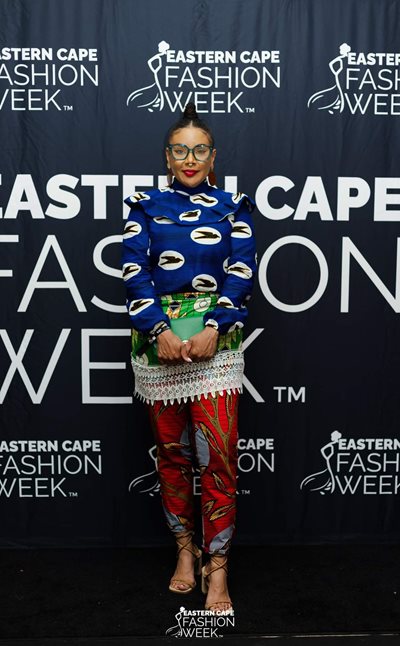
 From Mandela alumna to lecturer, entrepreneur and mentor, Algene Koeberg-Van Boomen is passionate about turning knowledge into opportunity.
Holding a BCom in Accounting and an MBA from Nelson Mandela University, Algene has built a diverse career spanning academia, finance, entrepreneurship, mentorship and sustainable fashion. As a lecturer at her alma mater, she is committed to equipping students with the knowledge, confidence and adaptability to navigate an ever-changing world.
In this Q&A, Algene reflects on her Mandela University journey, the value of embracing diverse passions, and why creating opportunities for others is an important part of success.
1. You are both a Mandela alumna and now a lecturer at Nelson Mandela University. What does it mean to return to your alma mater and contribute to developing the next generation of graduates?
Returning to Nelson Mandela University as a lecturer has been incredibly meaningful. This is the institution that helped shape my own academic and professional journey, so being able to contribute to the development of the next generation feels like coming full circle. I understand what education can unlock, not only in terms of a career, but also in how you begin to see yourself and what you believe is possible. I therefore see my role as extending beyond teaching academic content. I want students to leave the University with knowledge and skills, but also with the confidence to think critically, recognise opportunities and create meaningful impact in their communities and professions.
2. You hold a BCom in Accounting and an MBA from Nelson Mandela University. How have these qualifications shaped your career and approach to teaching, business and entrepreneurship?
My BCom in Accounting gave me a strong financial and analytical foundation, while my MBA broadened the way I think about business, strategy, leadership and problem-solving. Together, they have allowed me to move comfortably between academia, business and entrepreneurship. They have also shaped the way I teach. I believe students need to understand the theory, but they must also be able to apply it to real-world problems. Business does not operate in neat silos, so I encourage students to think across disciplines, challenge assumptions and understand how financial decisions, strategy, people, innovation and the broader environment are interconnected.
3. Your career spans academia, finance, entrepreneurship, mentorship and fashion. What inspired you to pursue such diverse interests, and how do they complement one another?
I have never seen myself as one-dimensional, nor have I believed that our interests need to exist in silos. I am naturally curious and creative, and I have learned not to limit myself to a single professional identity.
I have come to realise that the different parts of who I am actually strengthen one another. Creativity helps me approach business differently, while my business and financial background brings structure to my creative work. I believe there is enormous value in people who can move between different worlds, because innovation often happens at the intersection of seemingly unrelated ideas.
4. As a lecturer, what do you believe are the most important skills and lessons students need to succeed in today’s rapidly changing world of work?
Adaptability is one of the most important skills students can develop. The world of work is changing too quickly for us to assume that what we learn today will be sufficient for an entire career. Students need to be willing to continuously learn, unlearn and develop new skills.
They should not only prepare themselves to find employment; they should also be able to recognise problems, identify opportunities and potentially create employment and opportunities for others. A qualification can open a door, but what you do with the opportunity ultimately determines where it can take you.
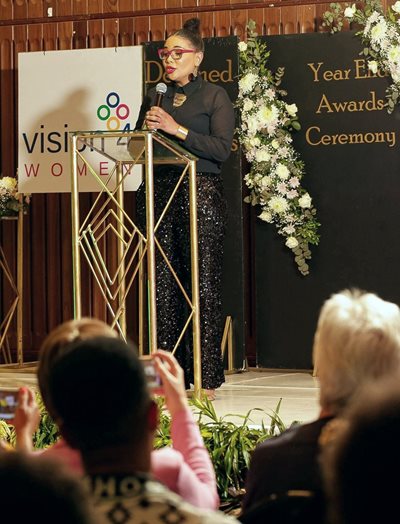 5. Your involvement in sustainable fashion reflects your creative side. How did your passion for fashion develop, and what have you learned from combining creativity with your professional career?
Creativity has always been part of who I am, and fashion is one of the ways in which I express that creativity. I am particularly drawn to fashion that tells a story and to the idea of creating something meaningful while contributing to a cleaner environment.
Fashion has taught me that creativity and professionalism do not have to exist in separate spaces. In fact, creativity has made me a better lecturer and entrepreneur because it encourages me to look at problems differently and imagine alternatives. It has also taught me the value of experimentation. Not every idea works the first time, but the process of creating, adjusting and trying again is valuable in almost every area of life.
6. Looking back at your Mandela University journey, what advice would you give current students and young graduates who aspire to build meaningful careers while pursuing their passions and making an impact?
Be willing to explore, remain curious and take opportunities that stretch you beyond what feels familiar.
I would also encourage young people not to abandon the parts of themselves that do not fit neatly into their job titles or qualifications. Your interests outside your profession may eventually become the very things that differentiate you. Continue developing yourself, build meaningful relationships, find mentors, and be willing to start small. Most importantly, define success for yourself. A meaningful career is not only about what you achieve, but also about what you contribute, who you uplift along the way and whether the life you are building remains authentic to who you are.
7. As a mentor and advocate for women’s development, what role do you believe mentorship and empowering women play in creating opportunities and shaping future leaders?
I believe mentorship has the power to change the trajectory of a person’s life. For women in particular, I believe there is tremendous power in creating spaces where we can learn from and support one another. Talent and potential alone do not always translate into opportunity. Women also need access, networks, encouragement and people who are willing to open doors and help them recognise what is possible. When we empower women in this way, the impact extends far beyond the individual. They go on to influence their families, workplaces, businesses and communities, while creating opportunities for other women. For me, true leadership is not only about how far we go ourselves, but also about how many people we help move forward with us.
Algene Koeberg-Van Boomen’s journey demonstrates that success does not have to follow a single path. Through academia, entrepreneurship, creativity and mentorship, she continues to turn knowledge into opportunity while inspiring others to embrace their passions, recognise their potential and create opportunities for those around them. For this Mandela alumna, true success is not only about what you achieve, but also about the impact you make and the people you empower along the way.